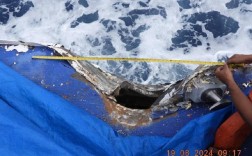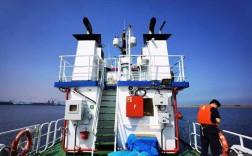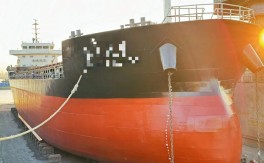
Ship dismantling, also known as ship recycling or ship demolition, is a complex industrial process that involves the breaking down of end-of-life vessels to recover valuable materials while ensuring environmental and safety standards. This industry plays a critical role in the global maritime ecosystem, as it addresses the disposal of obsolete ships, many of which are large ocean-going vessels that have reached the end of their operational lifespan. The process is not only economically significant but also environmentally sensitive, requiring careful management to prevent pollution and protect workers' health.
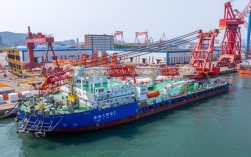
The ship dismantling process typically begins with the preparation of the vessel, which includes removing hazardous materials such as asbestos, heavy metals (like lead, mercury, and cadmium), and polychlorinated biphenyls (PCBs). These substances are regulated under international frameworks such as the Hong Kong International Convention for the Safe and Environmentally Sound Recycling of Ships, which aims to minimize risks associated with ship recycling. Once hazardous materials are stripped and properly disposed of, the ship is usually moved to a dismantling yard, often located in countries with lower labor costs and weaker environmental regulations, such as Bangladesh, India, or Pakistan. However, there is a growing push toward improving conditions in these yards to align with global standards.
The actual dismantling process involves cutting the ship into manageable sections using torches or mechanical shears. The steel hull, which constitutes the majority of the ship's mass, is the most valuable component and is often recycled into new steel products. Other materials, such as non-ferrous metals (copper, aluminum, brass), plastics, and glass, are also recovered and sold for reuse. The efficiency of material recovery varies depending on the yard's technology and practices; modern facilities with advanced equipment can achieve higher recycling rates, while older yards may rely more on manual labor, leading to lower efficiency and higher safety risks.
Environmental and safety concerns are central to the ship dismantling industry. Workers in many yards face significant hazards, including exposure to toxic fumes, the risk of fires or explosions from residual fuel or gases, and physical injuries from falling debris. Environmental risks include the release of hazardous substances into soil and water if not properly managed. For example, improper handling of oil residues can lead to marine pollution, while asbestos fibers, if inhaled, can cause long-term health issues. To mitigate these risks, the International Maritime Organization (IMO) and other bodies have developed guidelines for safe dismantling, including the use of personal protective equipment, proper waste disposal, and regular monitoring of environmental conditions.
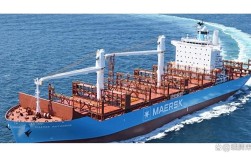
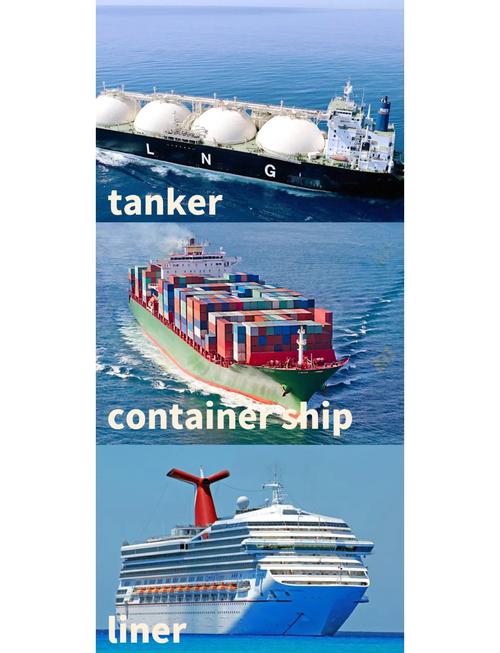
Economically, ship dismantling is a lucrative industry, particularly for countries with strong recycling infrastructure. The value of a ship's scrap metal and reusable materials can range from hundreds of thousands to millions of dollars, depending on the vessel's size and type. For instance, large container ships or oil tankers yield substantial amounts of steel, which is in high demand in construction and manufacturing. Additionally, the industry provides employment opportunities for thousands of workers, though often in low-wage, high-risk jobs. There is a growing emphasis on improving labor conditions and wages to ensure fair treatment of workers, as well as investing in cleaner technologies to reduce environmental impact.
Despite its importance, the ship dismantling industry faces numerous challenges. One of the biggest issues is the lack of uniform global regulations, leading to disparities in safety and environmental standards across different countries. While the Hong Kong Convention seeks to address this, it has not yet been ratified by enough countries to enter into force. Another challenge is the informal nature of some dismantling operations, where unregulated yards bypass safety and environmental measures to cut costs. This not only endangers workers but also contributes to pollution and resource waste. To overcome these challenges, stakeholders including governments, shipowners, and recycling companies must collaborate to enforce stricter regulations, invest in sustainable practices, and raise awareness about the industry's impact.
In recent years, there has been a shift toward greener ship dismantling practices. Some yards are adopting technologies such as laser cutting and water jet cutting to reduce emissions and improve precision. Others are focusing on circular economy principles, where materials are reused or recycled in a closed-loop system. For example, recovered steel can be used to build new ships, reducing the need for virgin steel and lowering carbon emissions. Additionally, there is increasing pressure on shipowners to design vessels with dismantling in mind, using materials that are easier to recycle and minimizing the use of hazardous substances.
The future of ship dismantling will likely be shaped by regulatory developments, technological advancements, and changing industry practices. As the Hong Kong Convention gains traction, more countries will be required to meet higher standards for safe and environmentally sound recycling. Meanwhile, innovations in recycling technology could make the process more efficient and sustainable. However, challenges such as the high cost of implementing these changes and the resistance from some informal yards will need to be addressed. Ultimately, the goal is to create a ship dismantling industry that is not only economically viable but also environmentally responsible and socially equitable.
To illustrate the key components of ship dismantling, the following table outlines the typical materials recovered and their uses:
| Material | Common Sources in Ships | Primary Uses |
|---|---|---|
| Steel | Hull, bulkheads, decks | Construction, automotive, appliances |
| Non-ferrous metals | Copper wiring, aluminum pipes, brass fittings | Electrical components, plumbing, alloys |
| Lead | Batteries, paint, radiation shielding | Batteries, ammunition, radiation shielding |
| Plastic | Insulation, packaging, interior components | Recycled plastic products, fuel |
| Glass | Windows, portholes, control panels | Construction, glassware, insulation |
In conclusion, ship dismantling is a vital yet challenging industry that balances economic benefits with environmental and social responsibilities. While it provides valuable resources and employment, it also poses significant risks that must be managed through stricter regulations, better technology, and greater stakeholder collaboration. As the industry evolves, the focus will increasingly be on sustainability, ensuring that ship recycling contributes to a circular economy while minimizing harm to people and the planet.
FAQs
-
What are the main environmental risks associated with ship dismantling?
The primary environmental risks include the release of hazardous materials such as asbestos, heavy metals, and oil residues into soil and water. Improper disposal of these substances can lead to long-term pollution and harm to marine ecosystems. Additionally, air pollution from cutting operations and toxic fumes from residual chemicals can affect local air quality. -
How does the Hong Kong International Convention aim to improve ship dismantling practices?
The Hong Kong Convention sets global standards for safe and environmentally sound ship recycling. It requires recycling yards to have proper infrastructure for handling hazardous materials, ensure worker safety through training and protective equipment, and maintain environmental safeguards such as waste management systems. The convention also mandates that ships be recycled in facilities that meet these criteria, reducing the risks associated with unregulated operations.