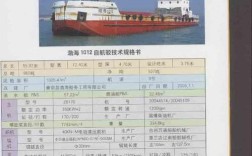
Ship Information Table
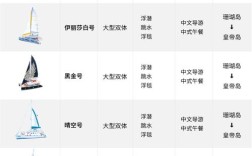
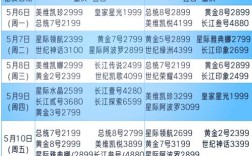
Ship information table is a standardized document that systematically records key details about a vessel, serving as a fundamental tool for maritime operations, regulatory compliance, and industry communication. It consolidates critical data such as vessel identification, technical specifications, ownership, operational status, and compliance history, ensuring transparency and efficiency across various stakeholders, including shipowners, port authorities, classification societies, and regulatory bodies. The table is typically structured in a tabular format for clarity, with each row representing a specific vessel and each column detailing a particular attribute. Below is a detailed breakdown of the components, significance, and applications of a ship information table in English, along with illustrative examples and a FAQs section.
Core Components of a Ship Information Table
A comprehensive ship information table includes both mandatory and optional fields, depending on its purpose (e.g., regulatory reporting, commercial transactions, or internal management). Key categories of data are as follows:
Vessel Identification Details
These fields uniquely identify a vessel and are universally recognized in maritime documentation:
- IMO Number (International Maritime Organization Number): A unique 7-digit identifier assigned to all merchant ships, used for global tracking and regulatory compliance.
- Vessel Name: The official name of the ship, as registered with the flag state.
- Call Sign: A radio-communication identifier assigned by the flag state, typically 3-4 letters/numbers.
- Flag State: The country under whose laws the vessel is registered (e.g., Panama, Liberia, Marshall Islands).
- Port of Registry: The specific port where the vessel is registered, often linked to the flag state’s maritime authority.
Technical Specifications
These details describe the vessel’s physical and operational characteristics:
- Ship Type: Classification of the vessel (e.g., Container Ship, Oil Tanker, Bulk Carrier, Cruise Ship, LNG Carrier).
- Gross Tonnage (GT): Total internal volume of the vessel, measured in tons, used for regulatory and fee purposes.
- Deadweight Tonnage (DWT): Maximum weight the vessel can carry, including cargo, fuel, and supplies (critical for cargo capacity assessment).
- Length Overall (LOA): The maximum length of the vessel from bow to stern.
- Beam: The widest width of the vessel.
- Draft: The vertical distance between the waterline and the vessel’s keel, affecting its ability to navigate shallow waters.
- Build Year: The year the vessel was constructed, influencing its age and maintenance requirements.
- Builder: The shipyard that constructed the vessel.
- Engine Power: Main engine’s power output (measured in kW or horsepower), indicating propulsion capability.
Ownership and Operational Information
Data related to the vessel’s management and commercial use:
- Owner: The individual or company that owns the vessel (may differ from the manager).
- Manager: The company responsible for the vessel’s day-to-day operations, maintenance, and crew management.
- Operator: The entity deploying the vessel for commercial activities (e.g., a shipping line).
- Charterer: If the vessel is chartered (leased), the name of the chartering party.
- Class Society: The organization that certifies the vessel’s compliance with international safety and construction standards (e.g., Lloyd’s Register, DNV, ABS).
- Classification Status: Current status of the vessel’s class certification (e.g., “In Class,” “Suspended,” “Expired”).
- Voyage Details: For operational tracking, fields like “Current Port,” “Next Port,” “ETA (Estimated Time of Arrival),” and “ETD (Estimated Time of Departure)” may be included.
Compliance and Safety Data
Information critical for regulatory adherence and risk management:
- Safety Management Certificate (SMC): Issued under the ISM Code, verifying compliance with safety management standards.
- International Ship Security Certificate (ISSC): Confirms adherence to the ISPS Code for maritime security.
- MARPOL Compliance: Details on compliance with International Convention for the Prevention of Pollution from Ships (e.g., oil discharge limits, ballast water management).
- Flag State Inspection Status: Results of inspections by the flag state authority (e.g., “Passed,” “Deficiencies Noted”).
- PSC Inspection History: Records of Port State Control inspections, including deficiencies and detention status (e.g., Paris MoU, Tokyo MoU).
Additional Optional Fields
Depending on the table’s purpose, additional data may be included:
- Cargo Capacity: For cargo ships, the maximum volume or weight of cargo (e.g., 20,000 TEU for container ships).
- Crew Size: Number of crew members onboard.
- Hull Material: Material used for the vessel’s hull (e.g., steel, aluminum).
- Ice Class: For vessels operating in icy waters, indicating the level of ice reinforcement (e.g., Ice Class 1A, Polar Class 3).
Example Structure of a Ship Information Table
Below is a simplified tabular example of a ship information table in English:
| IMO Number | Vessel Name | Ship Type | Flag State | GT (tons) | DWT (tons) | Build Year | Class Society | Current Status |
|---|---|---|---|---|---|---|---|---|
| 9347189 | Oceanic Star | Container Ship | Panama | 145,000 | 160,000 | 2025 | DNV | In Class |
| 9654321 | Atlantic Tide | Oil Tanker | Liberia | 220,000 | 440,000 | 2025 | Lloyd’s Register | In Class |
| 8876543 | Nordic Explorer | Bulk Carrier | Marshall Islands | 82,000 | 145,000 | 2012 | ABS | Suspended |
Significance and Applications
Ship information tables play a pivotal role in the maritime industry:
- Regulatory Compliance: Authorities use them to verify vessel compliance with international conventions (SOLAS, MARPOL, STCW).
- Commercial Operations: Shipping lines, charterers, and cargo owners rely on them to assess vessel suitability for specific trades.
- Risk Management: Insurance companies and financiers use the data to evaluate insurability and loan eligibility.
- Emergency Response: In case of accidents or incidents, the table provides quick access to critical vessel details for rescue and coordination.
- Industry Benchmarking: Data on vessel age, size, and efficiency helps in market analysis and fleet planning.
Challenges in Standardization
Despite its importance, standardizing ship information tables can be challenging due to:
- Diverse Requirements: Different stakeholders (e.g., customs, port authorities, classification societies) may need varying levels of detail.
- Data Accuracy: Outdated or incorrect information (e.g., changes in ownership or class status) can lead to operational inefficiencies.
- Language Barriers: While English is the global maritime language, regional variations in terminology may cause confusion.
To address these, organizations like the IMO and BIMCO (Baltic and International Maritime Council) provide guidelines for standardizing vessel data.
Conclusion
A ship information table in English is a indispensable tool for the maritime industry, ensuring efficient, safe, and compliant operations. By systematically organizing key vessel data, it facilitates communication among stakeholders and supports decision-making across regulatory, commercial, and safety domains. As digitalization advances, electronic ship information databases (e.g., Lloyd’s List Intelligence, IHS Markit) are increasingly replacing paper-based tables, enhancing accessibility and real-time updates.
FAQs
Q1: What is the difference between IMO Number and Call Sign?
A1: The IMO Number is a permanent, unique 7-digit identifier assigned to all merchant ships by the International Maritime Organization, used for global regulatory tracking. The Call Sign, however, is a shorter (3-4 character) radio-communication identifier assigned by the flag state for maritime radio communications and can change if the vessel is re-registered under a different flag.
Q2: Why is Gross Tonnage (GT) different from Deadweight Tonnage (DWT)?
A2: Gross Tonnage (GT) measures the total internal volume of a vessel (including all enclosed spaces) and is used for regulatory purposes (e.g., determining crew size, port fees). Deadweight Tonnage (DWT), on the other hand, measures the maximum weight a vessel can carry (cargo, fuel, water, crew, etc.) and is critical for assessing cargo capacity and operational load. Essentially, GT is about volume, while DWT is about weight.