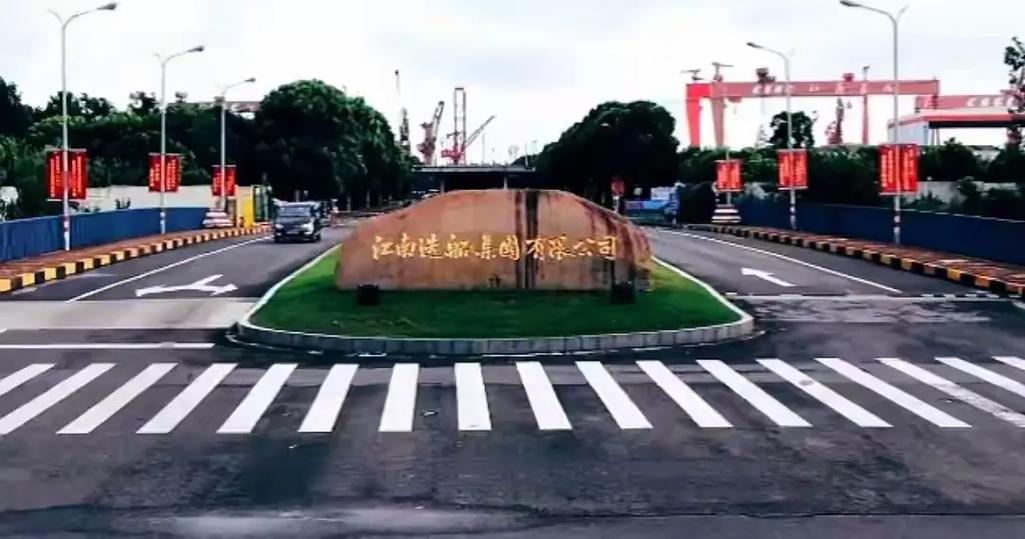
Jiangnan Shipyard, with a history spanning over 150 years, stands as a monumental symbol of China’s industrial evolution and maritime prowess. Established in 1865 during the late Qing Dynasty, it was initially known as Jiangnan Manufacturing Bureau and later evolved into Jiangnan Shipyard, becoming one of the oldest and most advanced shipbuilding enterprises in the country. From its early days of producing steamships for the imperial navy to its current role in constructing cutting-edge vessels for global markets, Jiangnan Shipyard has witnessed and actively participated in China’s journey from a feudal society to a modern industrial powerhouse. Its location in Shanghai, along the banks of the Huangpu River, has further cemented its significance as a gateway between China and the world, facilitating technological exchange and economic development.
The early history of Jiangnan Shipyard is deeply intertwined with China’s efforts to modernize its military and industrial capabilities. In the late 19th century, the Qing government recognized the need to strengthen its naval forces to counter foreign threats, leading to the establishment of the Jiangnan Manufacturing Bureau. Initially focused on producing firearms and ammunition, the soon expanded into shipbuilding, launching its first steam-powered vessel in 1868. This marked a milestone for China’s shipbuilding industry, as it was one of the first attempts to locally manufacture modern ships. Over the following decades, the shipyard built a variety of naval and merchant ships, including cruisers, destroyers, and cargo vessels, laying the foundation for China’s maritime industry. During the Republican era, despite facing numerous challenges such as wars and economic instability, Jiangnan Shipyard continued to operate, playing a crucial role in supporting the country’s defense and transportation needs.

The mid-20th century brought significant transformations to Jiangnan Shipyard. After the founding of the People’s Republic of China in 1949, the shipyard was nationalized and underwent large-scale reconstruction and expansion. With support from the government, it introduced advanced technologies and production processes, enabling it to build larger and more complex ships. In the 1950s and 1960s, it became a key player in China’s shipbuilding industry, producing a series of iconic vessels, including the first domestically built ocean-going cargo ship and the first bulk carrier. These achievements not only demonstrated the shipyard’s technical capabilities but also boosted China’s confidence in its ability to compete in the global shipbuilding market. During this period, Jiangnan Shipyard also played a vital role in supporting China’s economic development by providing essential maritime transportation infrastructure, such as oil tankers and container ships, which facilitated trade and industrial growth.
In recent decades, Jiangnan Shipyard has embraced globalization and technological innovation to maintain its competitive edge. With China’s reform and opening-up policy, the shipyard began to collaborate with international partners, adopting advanced shipbuilding technologies and management practices. It has since become a leading manufacturer of high-value vessels, including liquefied natural gas (LNG) carriers, container ships, and offshore platforms. One of its most notable achievements is the construction of the 23,000 TEU ultra-large container ships, which are among the largest and most advanced in the world. These vessels have been delivered to major global shipping companies, showcasing Jiangnan Shipyard’s ability to meet international standards and cater to the evolving demands of the maritime industry. Additionally, the shipyard has made significant strides in green shipbuilding, developing eco-friendly vessels with low emissions and high energy efficiency, aligning with global efforts to reduce the environmental impact of maritime transportation.
Jiangnan Shipyard’s contributions extend beyond shipbuilding; it has also been at the forefront of technological research and development in China. The shipyard houses state-of-the-art research facilities and collaborates with universities and research institutions to innovate in areas such as marine engineering, materials science, and automation. Its R&D efforts have led to breakthroughs in ship design, propulsion systems, and production processes, enhancing the efficiency and safety of its vessels. For example, it has pioneered the use of smart shipbuilding technologies, including digital modeling and robotic welding, which have significantly improved production accuracy and reduced construction time. These innovations have not only benefited Jiangnan Shipyard but have also contributed to the overall advancement of China’s shipbuilding industry, raising its global competitiveness.
The shipyard’s impact on China’s economy and society is profound. As a major employer in Shanghai, Jiangnan Shipyard provides jobs for thousands of workers, including skilled engineers, technicians, and laborers. Its operations generate substantial economic activity, supporting a wide range of related industries, such as steel manufacturing, machinery, and logistics. Moreover, the shipyard’s exports of vessels and marine equipment have contributed significantly to China’s foreign exchange earnings, strengthening the country’s balance of payments. Beyond its economic contributions, Jiangnan Shipyard has also played a role in promoting maritime culture and education in China. It has hosted exhibitions and open-house events to showcase its achievements and inspire interest in shipbuilding and marine engineering among young people.
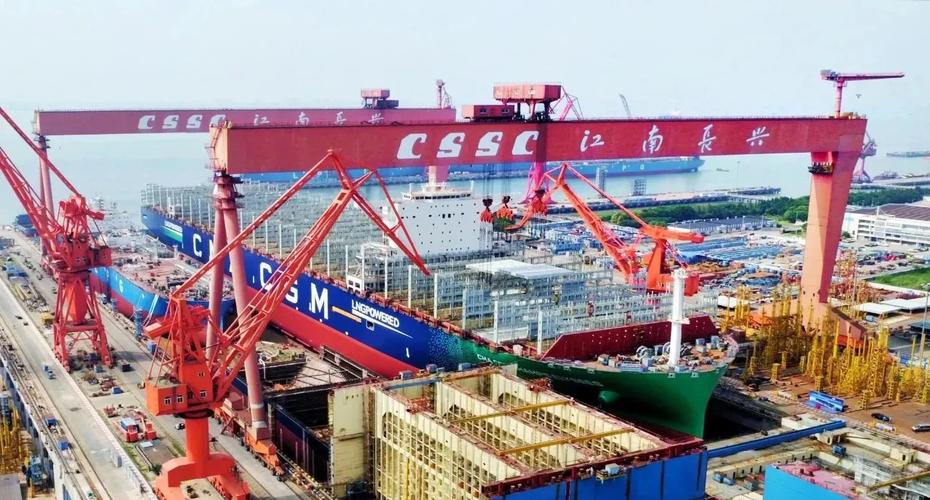
Looking ahead, Jiangnan Shipyard is poised to continue its legacy of excellence in the face of new challenges and opportunities. The global shipbuilding industry is undergoing rapid changes, driven by factors such as increasing demand for sustainable shipping, advancements in automation, and shifting geopolitical dynamics. To adapt to these trends, Jiangnan Shipyard is investing in next-generation technologies, such as hydrogen-powered vessels and autonomous shipping systems, to stay ahead of the curve. It is also expanding its presence in emerging markets, including offshore renewable energy, by constructing platforms for wind and tidal power generation. These initiatives reflect the shipyard’s commitment to innovation and sustainability, ensuring its long-term growth and relevance in the global maritime industry.
In conclusion, Jiangnan Shipyard’s rich history and remarkable achievements make it a cornerstone of China’s industrial and maritime development. From its humble beginnings as a small workshop to its current status as a world-class shipbuilding enterprise, it has demonstrated resilience, innovation, and excellence. As it continues to embrace new technologies and global opportunities, Jiangnan Shipyard is not only shaping the future of shipbuilding but also contributing to China’s rise as a maritime powerhouse. Its legacy serves as an inspiration for future generations of engineers, workers, and entrepreneurs, reminding them of the transformative power of industry and perseverance.
FAQs
Q: What are some of the most famous ships built by Jiangnan Shipyard?
A: Jiangnan Shipyard has constructed numerous iconic vessels, including the Zhongshan cruiser, a historic warship from the early 20th century, and the 23,000 TEU ultra-large container ships, which are among the largest in the world. It has also built advanced LNG carriers, bulk carriers, and offshore platforms, showcasing its versatility and technical expertise.
Q: How has Jiangnan Shipyard adapted to environmental challenges in the shipbuilding industry?
A: Jiangnan Shipyard has prioritized green shipbuilding by developing eco-friendly vessels with low emissions and high energy efficiency. It has invested in technologies such as LNG-powered propulsion systems and smart shipbuilding practices to reduce waste and environmental impact. Additionally, the shipyard is exploring hydrogen-powered vessels and offshore renewable energy platforms to align with global sustainability goals.