Ship cabins are essential components of maritime vessels, serving as functional spaces for crew operations, passenger accommodation, cargo storage, and equipment housing. The design, classification, and management of these cabins are critical to ensuring the safety, efficiency, and comfort of maritime activities. This article explores the key aspects of ship cabins, including their types, structural features, materials, regulatory standards, and technological advancements.
Ship cabins can be broadly categorized into three main types: crew cabins, passenger cabins, and utility cabins. Crew cabins are typically compact spaces designed for long-term occupation by crew members, featuring basic amenities such as beds, lockers, and ventilation systems. Passenger cabins, on the other hand, prioritize comfort and aesthetics, often including en-suite bathrooms, entertainment systems, and customizable layouts. Utility cabins encompass a wide range of functional spaces, such as engine rooms, storage rooms, and control stations, which are vital for the vessel's operational integrity.
The structural design of ship cabins must adhere to strict maritime regulations to ensure safety and durability. For instance, the International Maritime Organization (IMO) mandates that cabin bulkheads be constructed from fire-resistant materials to prevent the spread of fire. Bulkheads are typically made of steel or composite materials, depending on the vessel's type and size. Additionally, cabin doors must be self-closing and equipped with fire-resistant seals to meet safety standards. Soundproofing is another critical consideration, particularly for passenger cabins, to minimize noise from engines, machinery, or rough seas.
Materials used in cabin construction play a pivotal role in performance and longevity. Steel is the most common material for structural components due to its strength and resistance to corrosion. However, aluminum alloys are often preferred for high-speed vessels to reduce weight. Interior materials, such as wall panels, flooring, and furniture, are selected for their durability, fire resistance, and ease of maintenance. For example, composite panels are widely used in modern cabins because they are lightweight, non-corrosive, and can be molded into various shapes to optimize space utilization.
Technological advancements have revolutionized ship cabin design, enhancing both functionality and passenger experience. Smart cabins equipped with IoT (Internet of Things) technology allow passengers to control lighting, temperature, and entertainment systems via mobile devices or in-cabin tablets. Energy-efficient LED lighting and automated climate control systems are now standard in many modern vessels, reducing power consumption while improving comfort. Furthermore, virtual reality (VR) and augmented reality (AR) are being integrated into cabin design processes, enabling architects to create more ergonomic and visually appealing spaces.
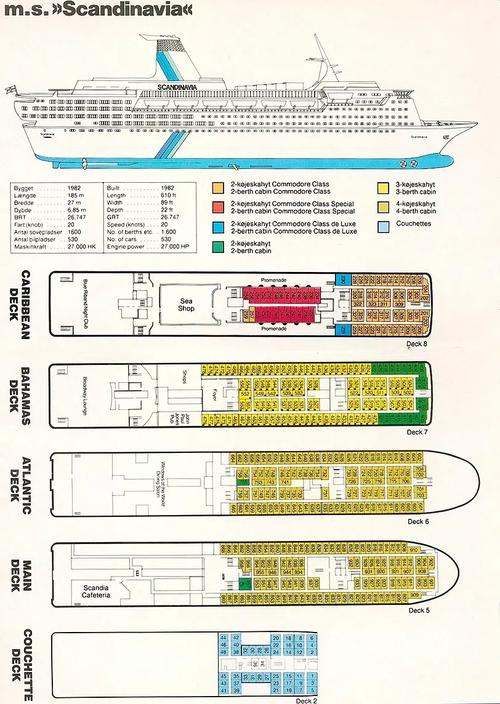
The layout and arrangement of cabins are carefully planned to maximize space efficiency and operational flow. On passenger ships, cabins are often organized by class (e.g., suites, standard rooms, and budget options) to cater to different market segments. Crew cabins are typically located near operational areas to minimize travel time during emergencies. Utility cabins are strategically placed to minimize interference with living spaces while ensuring easy access for maintenance and repairs.
Safety is a paramount concern in cabin design, and various measures are implemented to mitigate risks. Emergency exits, life jackets, and fire extinguishers are mandatory in all cabins. Advanced fire detection systems, such as smoke detectors and heat sensors, are installed to provide early warnings. In addition, cabins are designed to withstand extreme conditions, including high winds, heavy seas, and potential flooding. For example, on offshore vessels, cabins may be reinforced to resist shock and vibration from harsh marine environments.
Sustainability is another key focus in modern cabin design. Shipbuilders are increasingly adopting eco-friendly materials and energy-efficient systems to reduce the environmental impact of maritime operations. For instance, low-VOC (volatile organic compound) paints and recycled materials are used in cabin interiors to improve air quality. Solar panels and waste heat recovery systems are also being integrated into vessel designs to lower carbon emissions.
To better understand the specifications and requirements of ship cabins, the following table outlines common types and their features:
| Cabin Type | Typical Size (m²) | Key Features | Regulatory Standards |
|---|---|---|---|
| Crew Cabin | 5-10 | Basic furniture, ventilation, lockers | SOLAS (Safety of Life at Sea) |
| Passenger Suite | 30-50 | En-suite bathroom, balcony, entertainment system | IMO Fire Safety Regulations |
| Engine Room Control | 15-20 | Monitoring equipment, soundproofing, emergency shutdown systems | Classification Society Rules (e.g., DNV, ABS) |
| Medical Cabin | 10-15 | Medical equipment, isolation facilities, stretcher storage | WHO Maritime Medical Guidelines |
In conclusion, ship cabins are complex spaces that require meticulous planning, advanced materials, and strict compliance with safety and environmental regulations. The integration of smart technologies and sustainable practices is shaping the future of cabin design, ensuring that maritime vessels remain safe, efficient, and comfortable for all occupants.
FAQs
-
What materials are commonly used for ship cabin interiors?
Ship cabin interiors often use fire-resistant materials such as composite panels, aluminum alloys, and treated wood. For enhanced durability and aesthetics, manufacturers may also incorporate laminated surfaces, acoustic insulation, and antimicrobial coatings. -
How do maritime regulations impact cabin design?
Maritime regulations, such as SOLAS and IMO standards, mandate fire safety, structural integrity, and emergency equipment requirements. These regulations dictate materials, ventilation systems, emergency exits, and soundproofing to ensure passenger and crew safety.