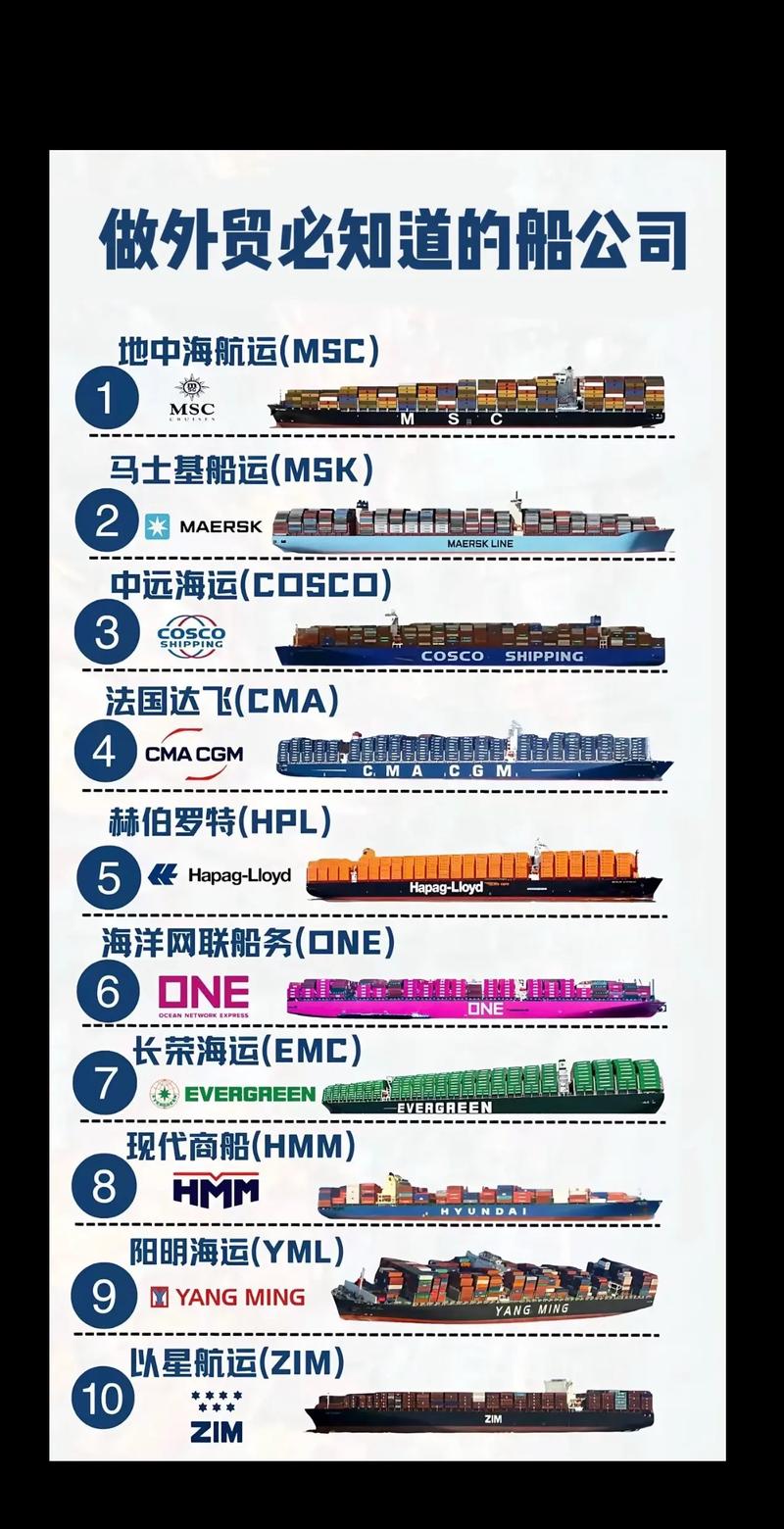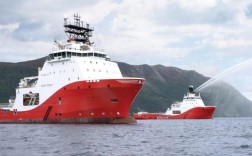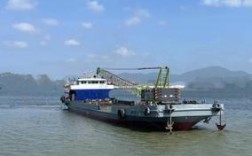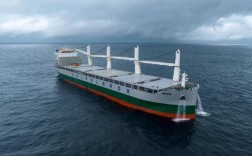
The global ship trading industry serves as a critical component of the maritime sector, facilitating the transfer of ownership, chartering, and operational control of vessels across international markets. This complex ecosystem involves a diverse range of stakeholders, including shipowners, brokers, buyers, sellers, financiers, classification societies, and regulatory bodies, all of whom play integral roles in ensuring seamless transactions while adhering to legal, environmental, and safety standards. Ship trading encompasses various vessel types, from bulk carriers and tankers to container ships, LNG carriers, and offshore units, each with distinct valuation methodologies and market dynamics. The process typically begins with market analysis, where parties assess prevailing freight rates, vessel values, and supply-demand trends to determine optimal timing for transactions. Brokers act as intermediaries, leveraging their networks and expertise to match buyers with sellers, negotiate terms, and facilitate due diligence. Due diligence is a pivotal phase, involving comprehensive inspections of the vessel’s condition, verification of class certifications, review of maintenance records, and assessment of compliance with international regulations such as MARPOL (International Convention for the Prevention of Pollution from Ships) and SOLAS (Safety of Life at Sea). Financial arrangements are structured through mechanisms like letters of credit, ship mortgages, or installment sales, with parties often engaging legal counsel to draft contracts that outline purchase price, delivery terms, warranties, and liabilities. Environmental considerations have increasingly influenced ship trading, with regulations such as the IMO’s 2025 sulfur cap and the upcoming Carbon Intensity Indicator (CII) prompting buyers to prioritize vessels with lower emissions profiles or retrofitting potential. Technological advancements, including digital platforms for vessel listings and virtual inspections, have streamlined the trading process, though physical surveys remain essential for accurate condition assessments. Market volatility, driven by factors like fluctuations in global trade, fuel prices, and geopolitical tensions, adds complexity to valuation, requiring stakeholders to adapt strategies dynamically. For instance, during periods of economic growth, demand for dry bulk vessels may surge, increasing their market value, while oversupply in specific sectors can lead to depreciation. The role of classification societies, such as Lloyd’s Register, DNV, or ABS, is crucial, as their certifications validate a vessel’s seaworthiness and compliance with international standards, directly impacting its tradability. Financing ship transactions often involves specialized maritime banks and export credit agencies, which assess the vessel’s earning potential and collateral value before extending loans. Insurance arrangements, including hull and machinery (H&M) insurance and protection and indemnity (P&I) coverage, are critical components, ensuring risk mitigation during the transition of ownership. Post-transaction, the process of flagging the vessel, transferring registration, and updating documentation with port authorities and international bodies must be completed to ensure legal continuity. Environmental sustainability has emerged as a key driver in ship trading, with buyers increasingly favoring vessels equipped with energy-efficient technologies or those eligible for green financing. The European Union’s Fit for 55 policy and the IMO’s decarbonization targets have spurred demand for scrubbers, LNG propulsion systems, and wind-assist technologies, influencing both vessel values and trading patterns.二手船交易市场同样活跃,尤其在新兴经济体中, older vessels with remaining operational life often find buyers in regions with lower regulatory stringency or higher demand for affordable tonnage. Auctions, both public and private, are common methods for disposing of distressed assets or repossessed vessels, with online platforms expanding access to global buyers. The cyclical nature of the shipping industry means that ship trading activity fluctuates with economic cycles, requiring stakeholders to maintain long-term perspectives and adapt to shifting market conditions. Effective risk management, including hedging against currency fluctuations and charter rate volatility, is essential for maximizing returns in this dynamic market. As the industry evolves toward decarbonization, ship trading will increasingly focus on vessels capable of meeting future environmental standards, with retrofitting and green conversion becoming significant value drivers. Stakeholders who proactively address sustainability and regulatory compliance will likely gain a competitive edge in the evolving landscape of ship trading.
FAQs

-
What are the key factors influencing vessel valuation in ship trading?
Vessel valuation is determined by a combination of factors, including age, size, type, condition, market demand, freight rate trends, fuel efficiency, compliance with environmental regulations, and the cost of retrofitting. For example, newer vessels with low fuel consumption and scrubbers typically command higher prices, while older vessels may face depreciation due to stricter emission norms. Brokers and valuation experts also consider charter contract terms, vessel location, and global trade volumes to assess fair market value. -
How do environmental regulations impact ship trading decisions?
Environmental regulations, such as the IMO’s 2025 sulfur cap and the upcoming CII requirements, significantly influence ship trading by favoring vessels with lower emissions. Buyers prioritize vessels equipped with scrubbers, LNG propulsion, or other green technologies to avoid compliance costs. Additionally, regions with stricter environmental standards may see higher demand for eco-friendly vessels, while older, non-compliant ships may be sold to markets with more lenient regulations or scrapped, affecting their tradability and residual value.