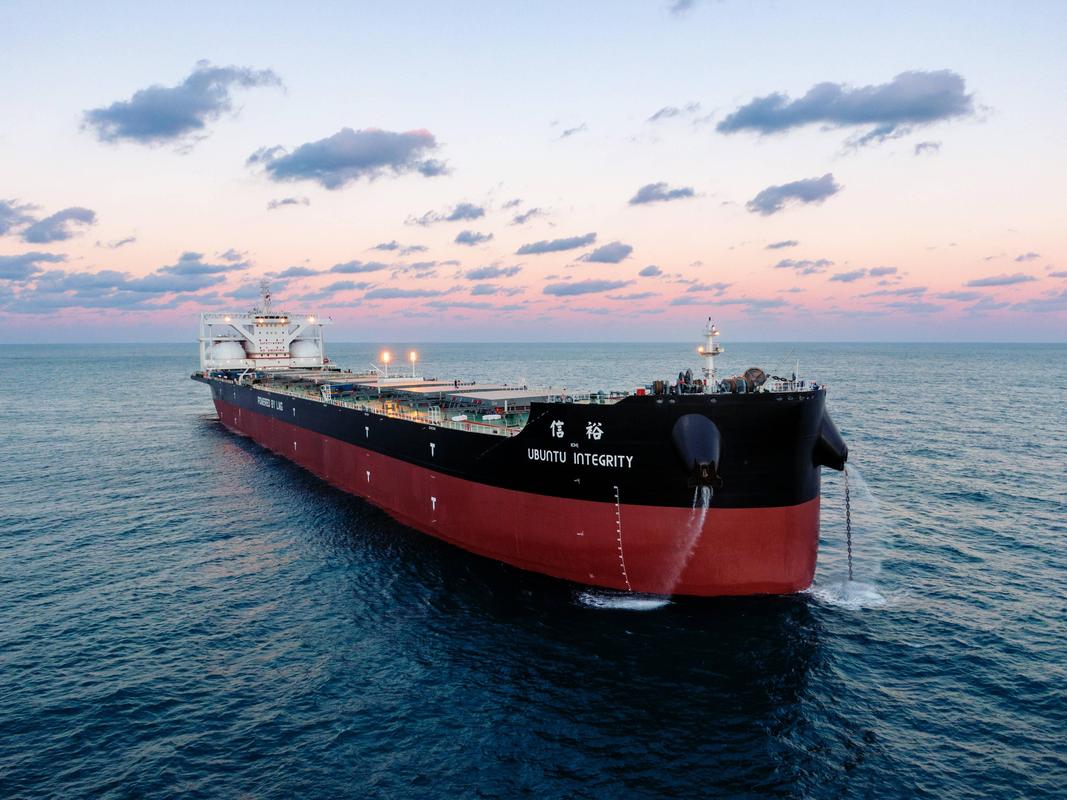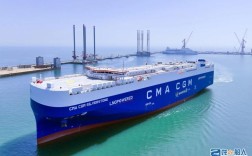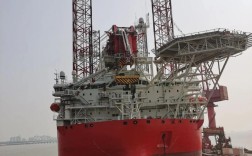
The growing presence of Chinese-owned vessels in global maritime trade has become a significant phenomenon in recent years, reflecting China's expanding economic influence and the rapid development of its shipping industry. As of 2025, China ranks as the world's largest shipowner by deadweight tonnage (DWT), with its fleet accounting for over 15% of the global merchant fleet. This surge in Chinese-owned ships has reshaped international shipping routes, trade dynamics, and even geopolitical relations, making it a critical topic for stakeholders in the global supply chain.
Historical Development and Current Landscape
China's shipping industry has undergone a remarkable transformation since the late 20th century. Prior to the 1980s, the Chinese fleet was relatively small, dominated by state-owned enterprises (SOEs) focused on domestic trade. However, economic reforms and China's entry into the World Trade Organization (WTO) in 2001 accelerated its integration into global trade, driving demand for larger and more modern vessels. Today, Chinese-owned ships include a diverse range of vessels, from bulk carriers and container ships to tankers and liquefied natural gas (LNG) carriers.
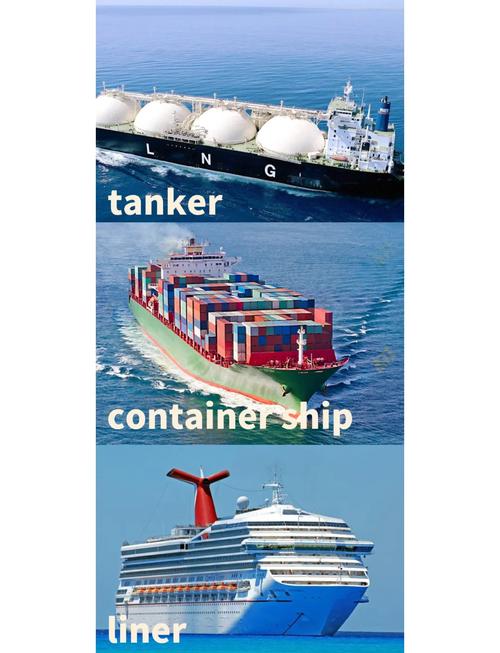
Major Chinese shipping companies such as China COSCO Shipping, China Merchants Group, and Sinotrans have emerged as global leaders. For instance, China COSCO Shipping, the world's largest shipping company by fleet size, operates over 1,400 vessels with a total capacity exceeding 130 million DWT. The table below provides a snapshot of the top Chinese-owned shipping companies and their market positions:
| Company | Fleet Size (Number of Vessels) | Total DWT (Million) | Primary Focus |
|---|---|---|---|
| China COSCO Shipping | 1,400+ | 130+ | Container, Bulk, Tanker |
| China Merchants Group | 800+ | 80+ | Container, Logistics |
| Sinotrans | 600+ | 50+ | Multipurpose, Chemical Tankers |
| Minsheng Shipping | 300+ | 20+ | Bulk, Heavy Lift |
Key Drivers Behind the Expansion
Several factors have contributed to the rapid growth of Chinese-owned vessels. First, China's status as the "world's factory" has generated immense demand for raw material imports (e.g., iron ore, coal) and finished goods exports, necessitating a large fleet to support these trade flows. Second, Chinese shipyards have become global leaders in vessel construction, offering cost-effective and technologically advanced ships. Chinese yards now deliver over 50% of the world's new vessels, enabling domestic shipping companies to expand their fleets affordably. Third, government policies, such as the "Belt and Road Initiative" (BRI), have encouraged Chinese companies to invest in port infrastructure and shipping routes, further enhancing their global reach.
Challenges and Controversies
Despite its growth, the Chinese-owned shipping sector faces several challenges. Overcapacity in certain segments, such as dry bulk carriers, has led to depressed freight rates and financial pressure on smaller operators. Additionally, geopolitical tensions, particularly trade disputes between China and the United States, have disrupted shipping routes and increased operational risks. Environmental regulations, such as the International Maritime Organization (IMO) 2025 sulfur cap, have also forced Chinese shipowners to invest in cleaner technologies, adding to their costs.
There have also been concerns about transparency and fair competition. Some Western critics argue that state subsidies to Chinese shipping companies distort global markets, though China denies these allegations, emphasizing its compliance with WTO rules. Furthermore, the presence of Chinese-owned vessels in sensitive regions, such as the South China Sea, has sparked diplomatic disputes, with neighboring nations raising concerns about maritime security.
Future Outlook
Looking ahead, the Chinese-owned shipping industry is poised for continued growth, albeit with a greater focus on sustainability and technological innovation. Chinese companies are increasingly adopting green technologies, such as LNG-powered vessels and carbon capture systems, to meet IMO emissions targets. The rise of e-commerce and cross-border trade is also driving demand for specialized vessels, such as refrigerated ships for cold chain logistics and autonomous container ships.
Moreover, China's push to develop its Arctic shipping routes, facilitated by melting ice caps, presents new opportunities for Chinese-owned vessels. The Northern Sea Route (NSR) could significantly shorten travel times between Asia and Europe, reducing costs and enhancing China's trade competitiveness. However, this also raises environmental concerns and requires cooperation with Arctic nations.
FAQs
Q1: How do Chinese-owned vessels compare to those from other countries in terms of efficiency and technology?
A1: Chinese-owned vessels have made significant strides in efficiency and technology in recent years. Chinese shipyards now produce vessels equipped with advanced fuel-saving systems, such as air lubrication and hull optimization designs, which help reduce emissions and operational costs. However, older vessels in the Chinese fleet may lag behind those from countries like Japan and South Korea in terms of automation and smart navigation technologies. Overall, China is rapidly closing the gap, with leading companies like China COSCO Shipping investing heavily in next-generation vessels, including methanol and ammonia-powered ships.
Q2: What impact do Chinese-owned vessels have on global shipping rates and supply chains?
A2: Chinese-owned vessels play a pivotal role in shaping global shipping rates and supply chains. As the largest carrier of containerized cargo, Chinese shipping companies significantly influence freight rates, particularly on Asia-Europe and trans-Pacific routes. Their large fleet capacity helps stabilize supply chains during peak seasons but can also lead to overcapacity and rate volatility during downturns. Additionally, Chinese dominance in shipbuilding has contributed to lower vessel acquisition costs, benefiting global trade. However, their growing presence has also sparked concerns about market concentration, with some critics arguing that it reduces competition and could lead to higher long-term rates if consolidation increases.