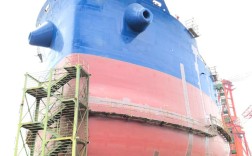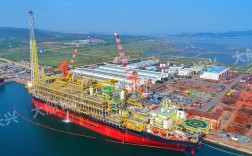
Ship repair branch companies play a pivotal role in the maritime industry, ensuring the operational efficiency, safety, and longevity of vessels through specialized maintenance, overhaul, and repair services. These entities are often subsidiaries of larger shipping groups or independent contractors, catering to diverse vessel types including cargo ships, tankers, container vessels, offshore platforms, and luxury yachts. Their operations are governed by stringent international regulations, such as the International Maritime Organization (IMO) standards and classification society requirements, to guarantee compliance and quality.
The core functions of a ship repair branch encompass a wide range of services. Routine maintenance, such as hull cleaning, painting, and machinery lubrication, is essential to prevent corrosion and wear. Major repairs may include engine overhauls, propeller replacements, or structural reinforcements, often requiring advanced diagnostic tools like ultrasonic thickness gauges or endoscopes. Emergency repairs, addressing critical failures during voyages, demand rapid response teams and 24/7 availability to minimize downtime. Additionally, these branches may provide retrofitting services, such as installing ballast water management systems or exhaust gas cleaning systems (scrubbers), to meet evolving environmental regulations.
Key departments within a ship repair branch include technical planning, engineering, hull and machinery repair, electrical and electronics, quality control, and logistics. Technical planning teams assess vessel requirements and create repair schedules, while engineering departments design solutions for complex structural or mechanical issues. Hull and repair crews handle steelwork, welding, and pipe fabrication, often using automated welding machines for precision. Electrical and electronics divisions manage systems like navigation equipment, communication devices, and automation controls. Quality control ensures all work adheres to ISO 9001 and class society standards, while logistics coordinates the supply of spare parts, tools, and materials.
Efficiency and safety are paramount in ship repair operations. Modern branches employ digital tools like computer-aided design (CAD) for planning and building information modeling (BIM) to visualize repairs, reducing errors and rework. Safety protocols, including hot work permits, confined space entry procedures, and personal protective equipment (PPE) mandates, minimize risks to workers and the vessel. Environmental sustainability is also a focus, with branches implementing waste management systems to recycle steel, oil, and chemicals, and adopting low-VOC paints to reduce emissions.
The competitive landscape of ship repair is shaped by factors like location, expertise, and infrastructure. Branches situated in major ports with dry docks, slipways, and heavy-lift cranes gain a competitive edge. For instance, branches in Singapore, Rotterdam, or Shanghai leverage strategic access to global shipping lanes and a skilled workforce. Specialization in niche areas, such as LNG carrier repairs or offshore wind farm support vessels, further differentiates providers.
Challenges in the industry include volatile fuel prices, fluctuating demand due to economic cycles, and the need to adapt to new technologies like alternative fuels (e.g., hydrogen, ammonia) and autonomous systems. To stay competitive, branches invest in workforce training, foster partnerships with equipment manufacturers, and adopt lean practices to reduce turnaround times.
Below is a table summarizing common services offered by ship repair branch companies:
| Service Category | Specific Examples |
|---|---|
| Routine Maintenance | Hull cleaning, cathodic protection, machinery servicing, tank inspections |
| Major Repairs | Engine overhauls, shaft line realignment, structural steel replacement, boiler repairs |
| Emergency Repairs | Propeller damage fixes, electrical fault troubleshooting, collision damage repairs |
| Retrofitting | Ballast water treatment systems, scrubber installation, automation upgrades |
| Class Surveys & Certification | Pre-purchase surveys, annual class surveys, special surveys (e.g., bottom inspection) |
FAQs
Q1: How long does a typical ship repair take?
A1: The duration varies based on the vessel’s size, type, and scope of work. Routine maintenance may take 1–3 days, while major repairs like engine overhauls can last 2–4 weeks. Emergency repairs are prioritized to minimize downtime, often completed within 24–48 hours for critical issues. Complex retrofitting projects may extend to several months, depending on the extent of modifications and regulatory approvals.
Q2: What certifications should a ship repair branch hold?
A2: Reputable branches typically hold ISO 9001 (quality management), ISO 14001 (environmental management), and OHSAS 18001/ISO 45001 (occupational health and safety) certifications. Additionally, compliance with classification society standards (e.g., Lloyd’s Register, DNV, ABS) is mandatory to ensure repairs meet international safety and operational criteria. Certifications in specialized areas, such as welding (ISO 3834) or non-destructive testing (NDT), further demonstrate expertise.