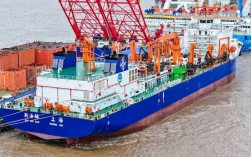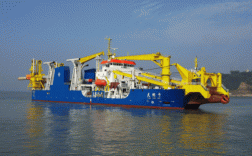
The ship's engine room, often referred to as the "heart" of a vessel, is a complex and highly technical space that houses the machinery and systems responsible for propulsion, power generation, and auxiliary services essential for the ship's operation. Located typically in the lower levels of the ship, the engine room is a hub of activity, requiring constant monitoring, maintenance, and skilled personnel to ensure the vessel's safe and efficient functioning. This critical area is designed to accommodate a wide range of equipment, from main engines and generators to pumps, compressors, and control systems, all working in harmony to support the ship's mission, whether it involves cargo transport, passenger travel, or offshore operations.
At the core of the engine room is the main propulsion system, which for most modern vessels consists of a large diesel engine, steam turbine, or, increasingly, an eco-friendly alternative such as liquefied natural gas (LNG) engines or hybrid electric systems. These primary engines convert fuel energy into mechanical motion, driving the propeller shaft and thus propelling the ship through water. The main engine is often coupled with a gearbox and connected to a propeller shaft, which may pass through a stern tube to connect with the propeller located outside the hull. To ensure optimal performance, the engine room includes fuel systems that store, purify, and deliver fuel to the engines, as well as lubrication systems that reduce friction and dissipate heat. Additionally, cooling systems, including heat exchangers and coolers, maintain the engine at operating temperatures, preventing overheating and ensuring longevity.
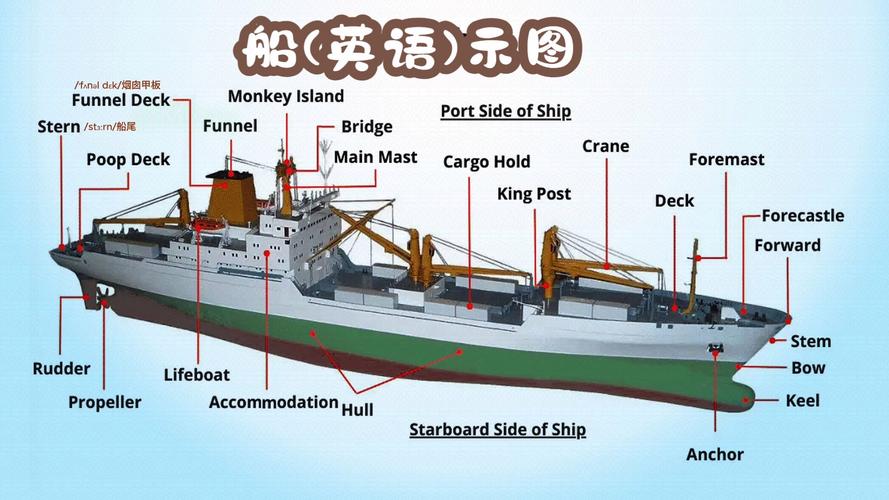
Beyond propulsion, the engine room is responsible for generating the ship's electrical power. Auxiliary engines, typically smaller diesel generators, produce electricity to power the vessel's lighting, communication systems, navigation equipment, and other electrical loads. In recent years, there has been a shift toward more sustainable power generation, with some vessels incorporating solar panels, wind turbines, or battery storage systems to reduce reliance on fossil fuels. The engine room also houses switchboards and distribution panels that regulate and distribute electrical power throughout the ship, ensuring a stable supply to all critical systems.
Another vital component of the engine room is the various auxiliary systems that support the main engines and ensure the ship's operational efficiency. These include bilge systems, which remove water from the ship's hull; ballast systems, which manage the vessel's stability by adjusting the amount of water in ballast tanks; and fire-fighting systems, such as sprinklers and CO2 suppression units, designed to respond to emergencies. The engine room also contains ventilation systems that regulate temperature and air quality, preventing the buildup of heat, fumes, or hazardous gases. Additionally, purification systems treat fuel and lubricating oil to remove impurities, ensuring the efficient operation of machinery and minimizing wear.
The layout of the engine room is meticulously planned to maximize space and accessibility. Equipment is arranged logically, with high-use components positioned for easy access, and walkways and platforms provided for maintenance personnel. Safety is a paramount concern, and the engine room is equipped with emergency exits, alarms, and shutdown systems to mitigate risks associated with machinery failure, fires, or leaks. Noise and vibration are also managed through insulation and damping materials, ensuring a safer working environment for crew members.
Modern engine rooms increasingly rely on automation and monitoring systems to enhance efficiency and reduce the need for constant human intervention. Control rooms or bridge integration systems allow operators to monitor engine performance, fuel consumption, and system status in real time, using advanced sensors and software. These systems can detect anomalies, such as overheating or pressure fluctuations, and alert operators to potential issues before they escalate into failures. Automation not only improves safety but also optimizes fuel efficiency, reducing operational costs and environmental impact.
Despite advancements in technology, the engine room remains a space that demands skilled personnel. Marine engineers and technicians are responsible for maintaining, repairing, and upgrading the machinery, as well as troubleshooting issues as they arise. Regular inspections, routine maintenance, and adherence to safety protocols are essential to prevent downtime and ensure the reliability of the ship's systems. The engine room crew must also be prepared to respond to emergencies, such as machinery breakdowns or fires, requiring thorough training and familiarity with emergency procedures.
In summary, the ship's engine room is a sophisticated and critical component of any vessel, integrating propulsion, power generation, and auxiliary systems to ensure safe and efficient operation. From the main engines that drive the ship forward to the auxiliary systems that support every aspect of its functionality, the engine room is a testament to marine engineering and technology. As the industry evolves toward greater sustainability and automation, the engine room will continue to adapt, incorporating new innovations to meet the challenges of modern maritime operations.
FAQs
-
What are the key safety measures in a ship's engine room?
Safety in the engine room is enforced through multiple measures, including regular equipment inspections, emergency shutdown systems, and fire suppression units such as CO2 systems. Crew members must wear personal protective equipment (PPE), including helmets, gloves, and ear protection, to mitigate risks from machinery, noise, and hazardous materials. Additionally, proper ventilation and gas detection systems prevent the buildup of flammable or toxic gases, while clearly marked escape routes and emergency lighting ensure quick evacuation in case of an emergency. (图片来源网络,侵删)
 -
How do modern engine rooms contribute to environmental sustainability?
Modern engine rooms incorporate eco-friendly technologies to reduce environmental impact. These include low-emission engines (e.g., LNG or hydrogen-powered), waste heat recovery systems that capture and reuse energy, and hybrid or fully electric propulsion systems. Additionally, advanced fuel purification and lubrication systems minimize oil consumption and emissions, while ballast water treatment systems prevent the spread of invasive species. These innovations align with international regulations, such as the IMO's MARPOL Convention, to reduce the maritime industry's carbon footprint.