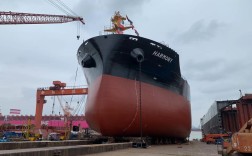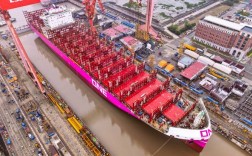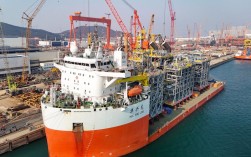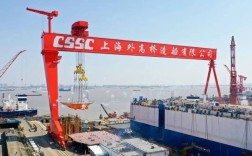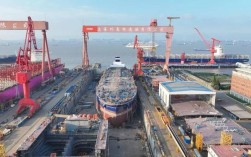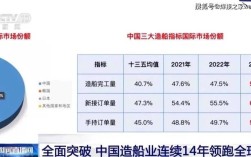
A shipyard, often referred to as a shipbuilding factory, is a complex industrial facility dedicated to the construction, repair, and maintenance of ships and other marine structures. These facilities are the backbone of maritime industries, enabling global trade, naval defense, and offshore energy operations. The scale and sophistication of modern shipyards reflect advancements in engineering, logistics, and technology, making them critical to the global economy.
Shipyards are typically situated in coastal or riverine areas to facilitate easy access to water for launching and docking vessels. The layout of a shipyard is meticulously planned to optimize workflow, with distinct zones for different stages of construction. Key areas include the berth, where ships are assembled; the dry dock, a watery basin that can be pumped dry to expose the hull for repairs or final outfitting; and the fabrication shop, where raw materials like steel are cut, shaped, and welded into ship components.
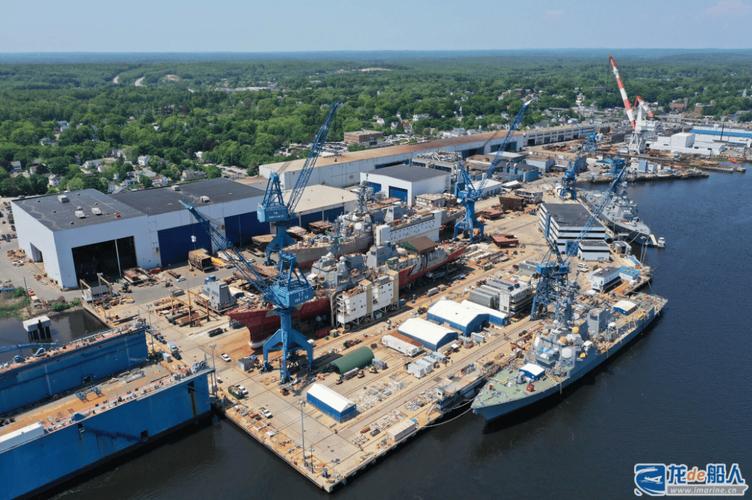
The process of shipbuilding in a modern yard begins with design and engineering. Using advanced software like CAD (Computer-Aided Design) and 3D modeling, engineers create detailed plans for the vessel’s structure, systems, and machinery. These plans are then translated into actionable workflows, with each component assigned to specific workshops or teams. For instance, the hull is constructed in the fabrication shop, where steel plates are cut using plasma or laser cutters, bent into shape, and welded together to form the ship’s outer shell. Meanwhile, other teams work on outfitting the interior with engines, electrical systems, plumbing, and navigation equipment.
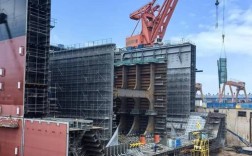
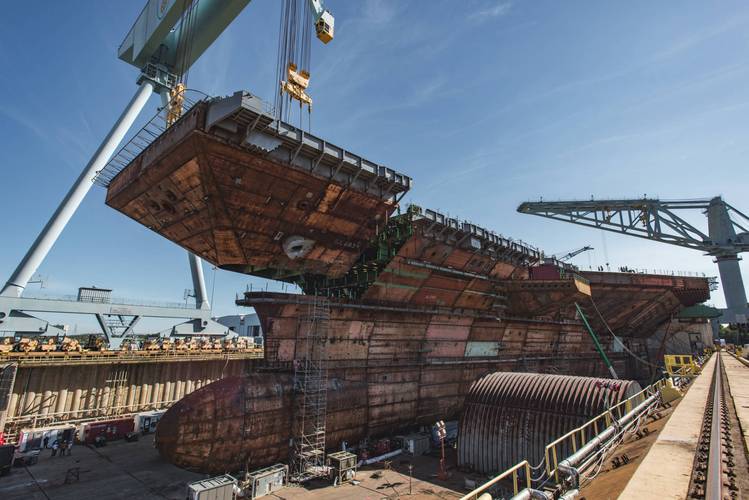
One of the most critical stages is the assembly of the hull blocks. Large sections of the hull, known as blocks, are prefabricated in the shop and then transported to the berth using heavy-duty cranes or transporters. These blocks are then joined together in a precise sequence, with welders ensuring seamless connections to maintain the hull’s integrity. As the ship grows, scaffolding and platforms are erected to allow workers to access higher sections, gradually transforming the skeletal structure into a recognizable vessel.
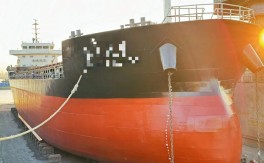
Once the hull is complete, the ship is moved to a dry dock for final fitting and painting. The dry dock is flooded, and the ship is floated in, then the water is pumped out, leaving the vessel resting on blocks. This allows workers to apply anti-corrosive coatings, install propellers, and inspect the hull for any defects. After this stage, the ship is relaunched and moved to a fitting-out quay, where interior systems are tested, and final inspections are conducted. Rigorous sea trials follow, where the ship’s performance, speed, and maneuverability are evaluated in open water.
Modern shipyards increasingly incorporate automation and robotics to enhance efficiency and precision. For example, robotic welders can perform repetitive tasks with greater accuracy than human workers, reducing errors and speeding up production. Additionally, digital twin technology—virtual replicas of physical ships—allows engineers to simulate and troubleshoot issues before they arise, minimizing costly delays.
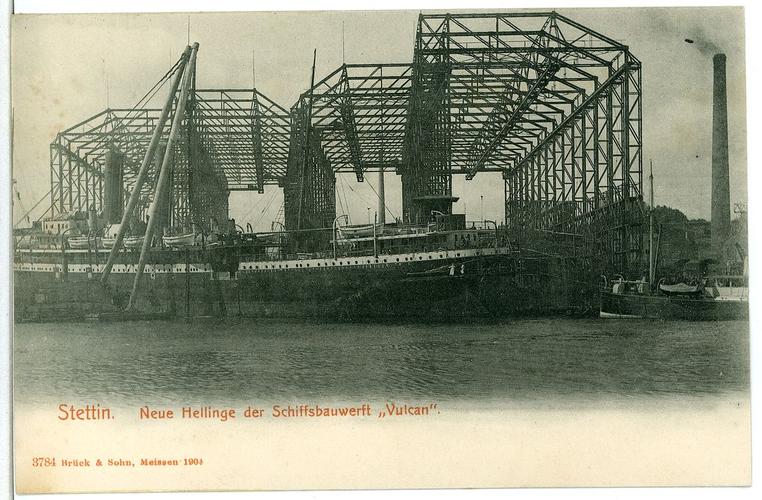
Environmental considerations are also a growing focus in shipyard operations. Traditional shipbuilding processes generated significant waste and pollution, but today’s yards are adopting greener practices. Waste management systems recycle materials like steel, paint, and packaging, while advanced filtration systems reduce air and water pollution. Some yards even use renewable energy sources, such as solar panels, to power their operations.
The following table outlines the key stages of shipbuilding in a modern yard:
| Stage | Description | Key Activities |
|---|---|---|
| Design & Engineering | Creating detailed plans for the ship | CAD modeling, structural analysis, system design |
| Material Preparation | Processing raw materials into components | Steel cutting, plate bending, material procurement |
| Hull Fabrication | Assembling the ship’s outer shell | Block welding, section assembly, quality checks |
| Outfitting | Installing internal systems | Engine installation, electrical wiring, plumbing |
| Launching & Fitting-Out | Preparing the ship for sea trials | Dry dock operations, painting, system testing |
| Sea Trials & Delivery | Evaluating performance and handing over the ship | Speed tests, maneuverability checks, client inspection |
Despite technological advancements, shipbuilding remains a labor-intensive industry, requiring skilled workers such as welders, engineers, and naval architects. The demand for qualified personnel has led to partnerships between shipyards and vocational schools to train the next generation of shipbuilders.
In conclusion, shipyards are dynamic hubs of innovation and industry, combining traditional craftsmanship with cutting-edge technology. From massive container ships to intricate naval vessels, these facilities turn raw materials into marvels of engineering, powering global commerce and connectivity. As the maritime industry evolves, shipyards will continue to adapt, embracing sustainability and automation to meet the challenges of the future.
FAQs
-
What is the difference between a shipyard and a dry dock?
A shipyard is a comprehensive facility where ships are built, repaired, or maintained, encompassing areas for fabrication, assembly, and testing. A dry dock, on the other hand, is a specific structure within a shipyard used for underwater repairs or construction. It can be flooded to allow a ship to enter and then drained to expose the hull for work. While all dry docks are part of shipyards, not all shipyards have dry docks. -
How long does it take to build a ship in a modern shipyard?
The construction timeline varies depending on the ship’s size and complexity. A small cargo ship may take 6–12 months to build, while a large container vessel or cruise ship can take 18–24 months or longer. Factors like design complexity, material availability, and supply chain logistics can influence the timeline. Modern shipyards use modular construction and automation to reduce these durations.